

Signs Your Dentures No Longer Fit Properly
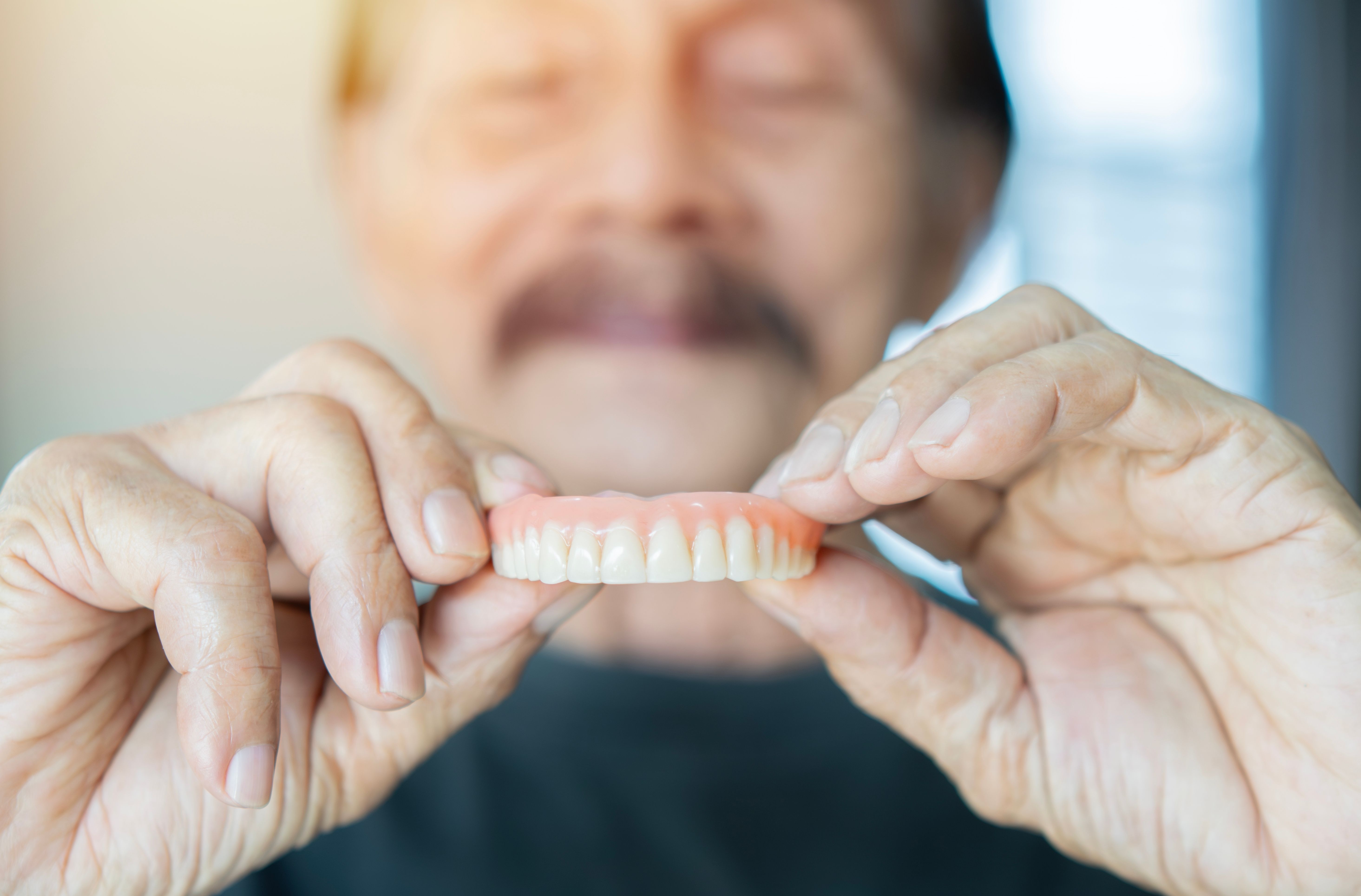
Dentures are designed to restore your smile, improve chewing, and help you speak comfortably. However, your mouth naturally changes over time. As gums shrink and bone structure shifts, dentures that once fit well may begin to feel uncomfortable or stop working as they should. Recognizing the signs of ill-fitting dentures early can help prevent pain, oral health problems, and unnecessary frustration.
Why Proper Denture Fit Matters
Ill-fitting dentures don’t just cause discomfort - they can also lead to gum infections, sores, accelerated bone loss, and difficulty maintaining proper nutrition. Regular dental checkups allow your dentist to evaluate fit, make adjustments, or recommend relining or replacement when needed. Below are common signs that your dentures may no longer fit properly and why it’s important to address them promptly.
Soreness, Pain, or Gum Irritation
Persistent sore spots, redness, or inflammation along your gums can indicate that your dentures are rubbing or putting uneven pressure on certain areas. While mild irritation can occur occasionally, ongoing discomfort is a clear sign your dentures may need adjustment or replacement.
Dentures Feel Loose or Slip When Talking or Eating
Dentures should feel secure. If yours move, slip, or fall out when you speak, laugh, or chew, the fit may no longer be accurate. Changes in jawbone and gum tissue can reduce the natural suction that helps keep dentures in place.
Difficulty Chewing or Biting
Struggling to chew foods you once handled easily - especially harder or chewier items - can be a sign that your dentures are unstable or misaligned. Poorly fitting dentures can also cause uneven bite pressure, leading to jaw discomfort over time.
Clicking or Shifting Sounds
If you notice clicking noises when you talk or eat, your dentures may be moving against each other or your gums. This not only affects comfort and confidence but can also be a sign that the bite is no longer balanced.
Changes in Speech
Dentures that don’t fit properly can interfere with clear pronunciation, causing slurred speech or whistling sounds. If you’re suddenly having trouble speaking clearly after previously adjusting well to your dentures, the fit may be the issue.
Frequent Use of Denture Adhesive
While denture adhesive can provide added security, needing to rely on it daily or in large amounts often means your dentures no longer fit as intended. Properly fitting dentures should feel stable without excessive adhesive.
Visible Wear, Cracks, or Changes in Shape
Dentures experience daily wear and tear. Over time, they can warp, crack, or wear down, which affects how they sit in your mouth. Even subtle changes in shape can impact comfort and function.
Jaw Pain or Headaches
An improper denture fit can alter your bite alignment, placing extra stress on your jaw joints and muscles. This may lead to jaw pain, facial soreness, or frequent headaches.
Take the Next Step at Apex Implant Center & Dentistry
As your mouth changes, so should your dentures. Paying attention to signs like discomfort, looseness, or difficulty eating can help you avoid bigger oral health issues and maintain confidence in your smile.
Schedule a consultation at Apex Implant Center & Dentistry to have your dentures evaluated and explore solutions that restore comfort, confidence, and function. Visit our office in West Covina, California. Call (626) 671-5800 today.


© 2026 Apex Implant Center & Dentistry | Privacy Policy | Accessibility Statement | Sitemap
Powered by:
