

Dental Implant vs. Bridge: Which Should You Choose?
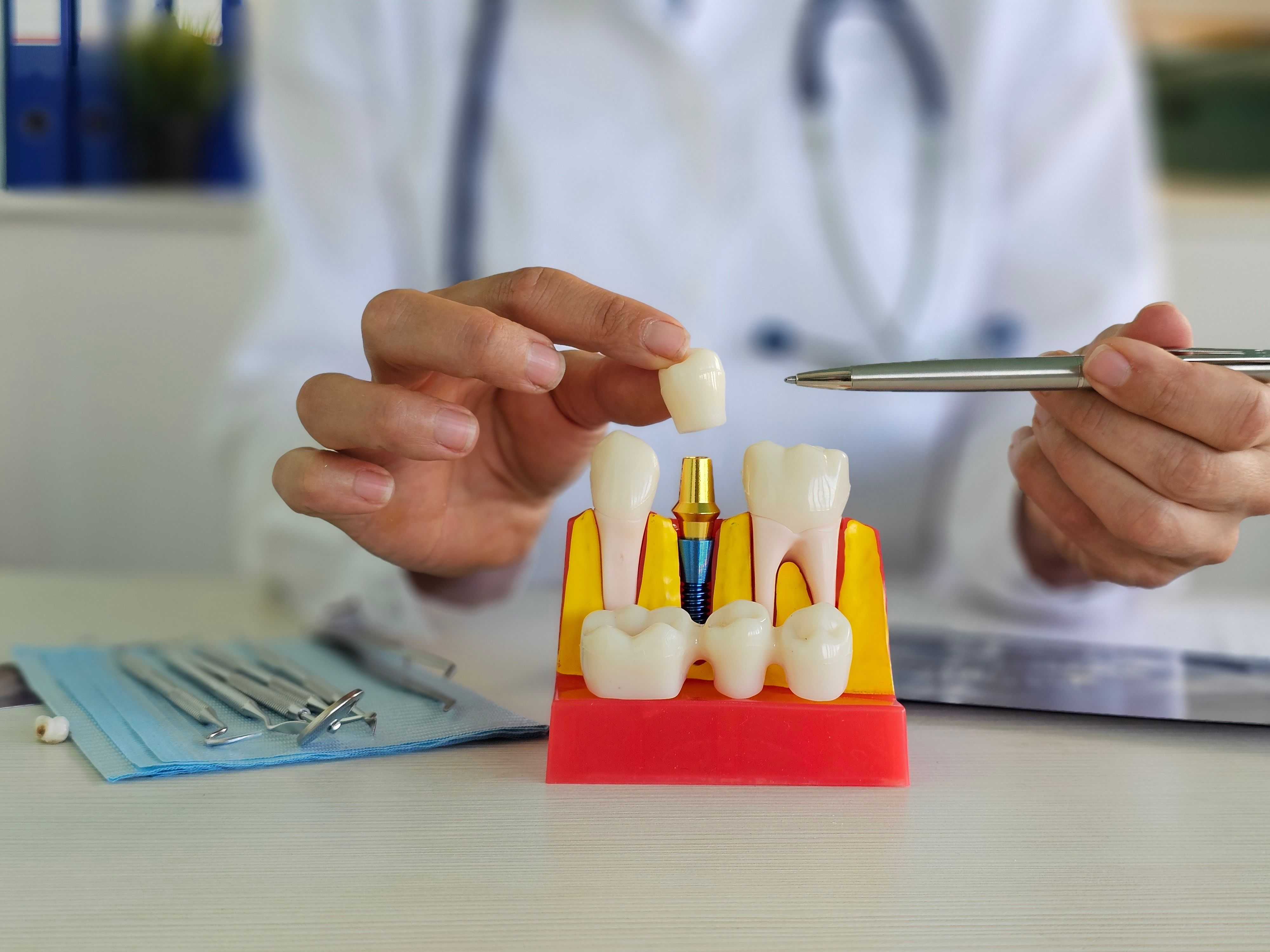
Missing a tooth can affect more than just your smile. It can change the way you chew, speak, and even impact the health of surrounding teeth and bone. Two of the most common solutions are dental implants and dental bridges. While both restore function and appearance, they work very differently.
Understanding the key differences can help you make a confident, informed decision.
What Is a Dental Implant?
A dental implant is designed to replace both the root and crown of a missing tooth. A small titanium post is placed into the jawbone, where it fuses naturally with the bone over time. Once healed, a custom crown is attached to complete the restoration.
Because implants integrate with your jawbone, they function much like natural teeth and help maintain bone structure.
Key advantages of dental implants include:
- Long-term durability (often lasting decades with proper care)
- No impact on neighboring healthy teeth
- Prevention of bone loss in the jaw
The process does require minor surgery and a healing period, but the long-term benefits often outweigh the additional time involved.
What Is a Dental Bridge?
A dental bridge fills the gap created by a missing tooth using a false tooth (pontic) anchored to the surrounding teeth. The adjacent teeth are reshaped and fitted with crowns to support the bridge.
Bridges are typically completed more quickly than implants and do not require surgery. This can make them appealing for patients seeking a faster solution.
However, because the supporting teeth must be altered, the procedure permanently changes otherwise healthy tooth structure. Bridges also do not stimulate the jawbone, which means bone loss can gradually occur beneath the missing tooth area.
Comparing the Two Options
When choosing between a dental implant and a bridge, several factors matter:
- Longevity: Implants generally last longer than bridges, which may need replacement after 10–15 years.
- Bone health: Implants help preserve bone; bridges do not.
- Treatment time: Bridges are usually completed faster, while implants require healing time.
Cost is another consideration. While bridges often have a lower upfront price, implants can be more cost-effective over time due to their durability and reduced need for replacement.
Which Is Right for You?
The best option depends on your individual circumstances, including your oral health, jawbone density, the condition of surrounding teeth, and your long-term goals.
If the neighboring teeth are strong and untouched, preserving them with a dental implant is often the preferred choice. If you need a quicker solution or are not a candidate for implant surgery, a bridge may be appropriate.
At Apex Implant Center & Dentistry, we carefully evaluate every patient to determine the most reliable and long-lasting solution for their smile.
Discover Your Best Tooth Replacement Option Today
Both dental implants and bridges can effectively restore missing teeth and improve your confidence. Bridges offer convenience and speed, while implants provide unmatched stability and long-term protection for your oral health.
If you’re considering replacing a missing tooth, the team at Apex Implant Center & Dentistry is here to help. Visit our office in West Covina, California. Call (626) 671-5800 today.


© 2026 Apex Implant Center & Dentistry | Privacy Policy | Accessibility Statement | Sitemap
Powered by:
